+44 333 012 4065Live Chat

Concern guide

Acne

Acne involves blocked follicles and inflammation and can range from occasional breakouts to painful, scarring disease.

Understanding

About this concern

Acne is a common skin condition that includes blackheads, whiteheads, inflamed spots and, in more severe cases, deeper nodules or cysts. Hormones, oil production, follicle blockage and inflammation can all contribute.

Aesthetic treatments may support a skincare plan, but persistent, painful or scarring acne needs medical assessment. Treating active acne and treating the scars it leaves are separate goals.

Compare your options

Treatments for acne

A consultation is the starting point: the most appropriate option depends on what is creating the concern, your goals and your medical history.

LED Light Therapy for Acne

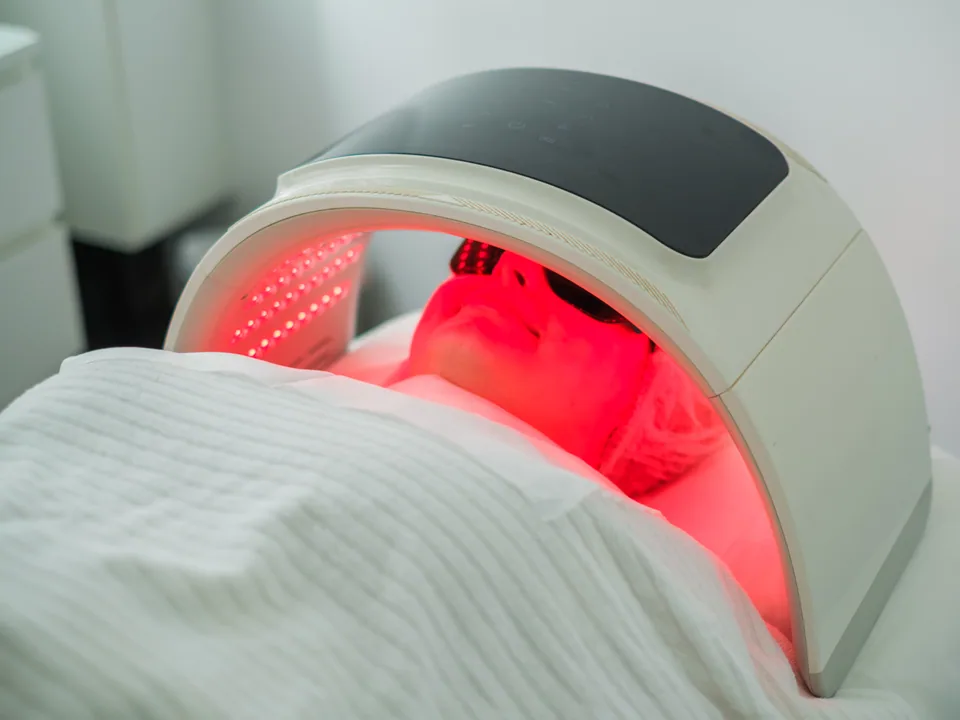
LED light therapy for acne uses selected wavelengths as an adjunct for acne-prone skin. Persistent, painful or scarring acne should also be assessed by a medical professional.

Why consider itThe most acne-specific light-based option in the treatment range.
Cold Atmospheric Plasma (CAP) Treatment

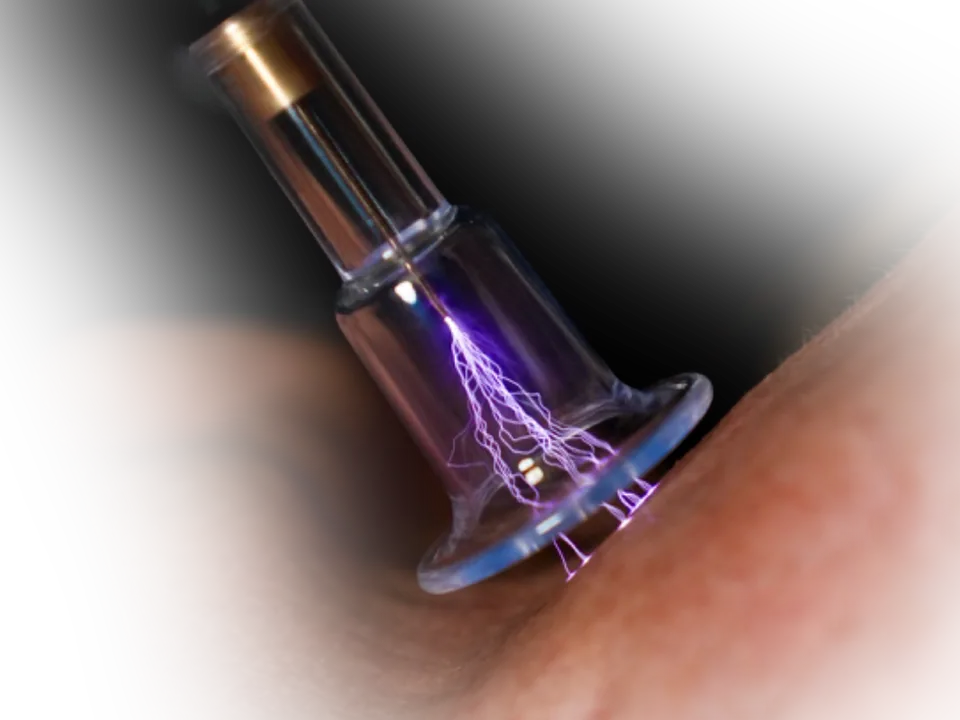
Cold atmospheric plasma is offered for selected skin concerns around acne-prone facial skin. A practitioner should first establish whether the issue is active, inflammatory, textural or structural.

Why consider itA targeted option where surface condition is central to the concern around acne-prone facial skin.

HydroDerma Facial Skin Rejuvenation

From £65

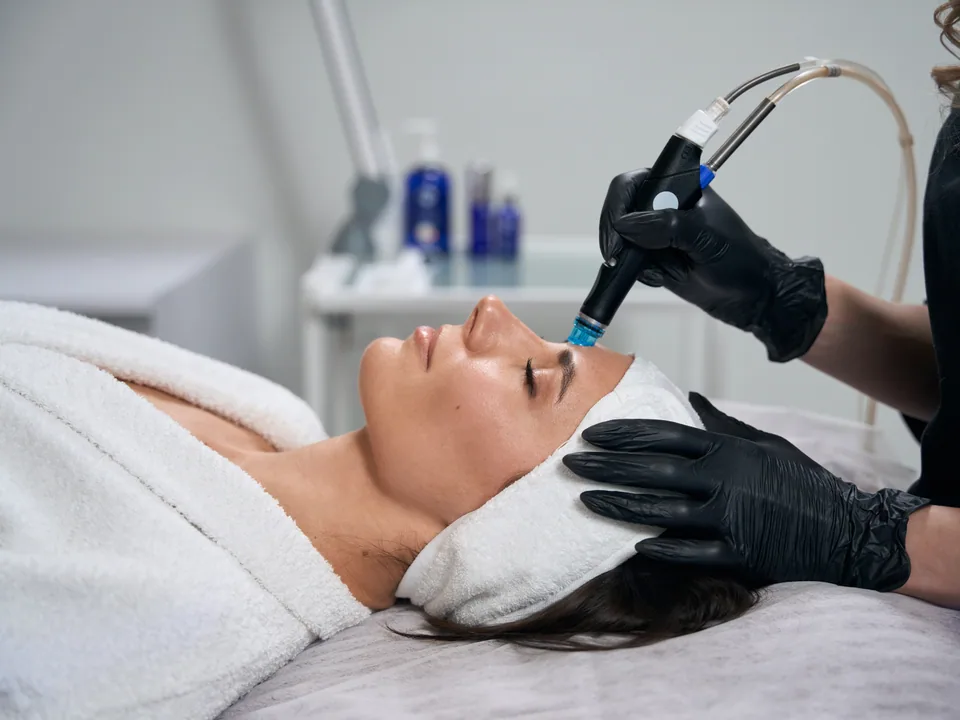
HydroDerma combines cleansing, exfoliation and hydration for the surface of acne-prone facial skin. It can refresh appearance, but it is not a substitute for medical care for an active skin disorder.

Why consider itA gentler surface treatment when congestion, dehydration or dullness affects acne-prone facial skin.

Before you decide

Things to consider

Do not perform aggressive resurfacing over actively inflamed or infected skin. Current skincare, prescription medicines, pregnancy and pigment response affect treatment choice. The priority is controlling active disease before addressing residual marks or texture.

Common questions

Acne FAQs

When should acne be assessed medically?

Painful nodules, cysts, scarring, a sudden severe outbreak or acne that is affecting wellbeing are good reasons to seek medical advice.

Can a facial cure acne?

No. A facial may support surface care, but acne is a skin condition and may need appropriate topical or prescription treatment.

Should acne scars be treated while acne is active?

The active breakouts are usually controlled first so new scars are less likely to form before texture-focused treatment begins.

Not sure which option fits?

Choose WhatsApp, phone, callback or live chat to discuss the area and which options may suit you.