Fat Freezing vs Mounjaro: Key Differences Explained
The quest for effective weight loss and body shaping never seems to slow. With advancements in both non-invasive aesthetics and medical treatments, it is now possible to target stubborn fat or pursue significant weight reduction – but which solution best matches your needs? Two standout options are fat freezing (such as CoolSculpting by cryolipolysis) for localised body contouring, and Mounjaro (tirzepatide injection) for systemic weight loss. Both come highly rated, yet their approaches, benefits and risks diverge in crucial ways. In this deep-dive comparison, discover how these treatments work, their effectiveness, and factors to consider when making a choice. We’ll also touch on alternatives like Wegovy and share expert insights from VIVO Body Studio, the UK’s leading non-invasive aesthetic clinic group.


How Do Fat Freezing and Mounjaro Work?
Understanding Fat Freezing (Cryolipolysis)
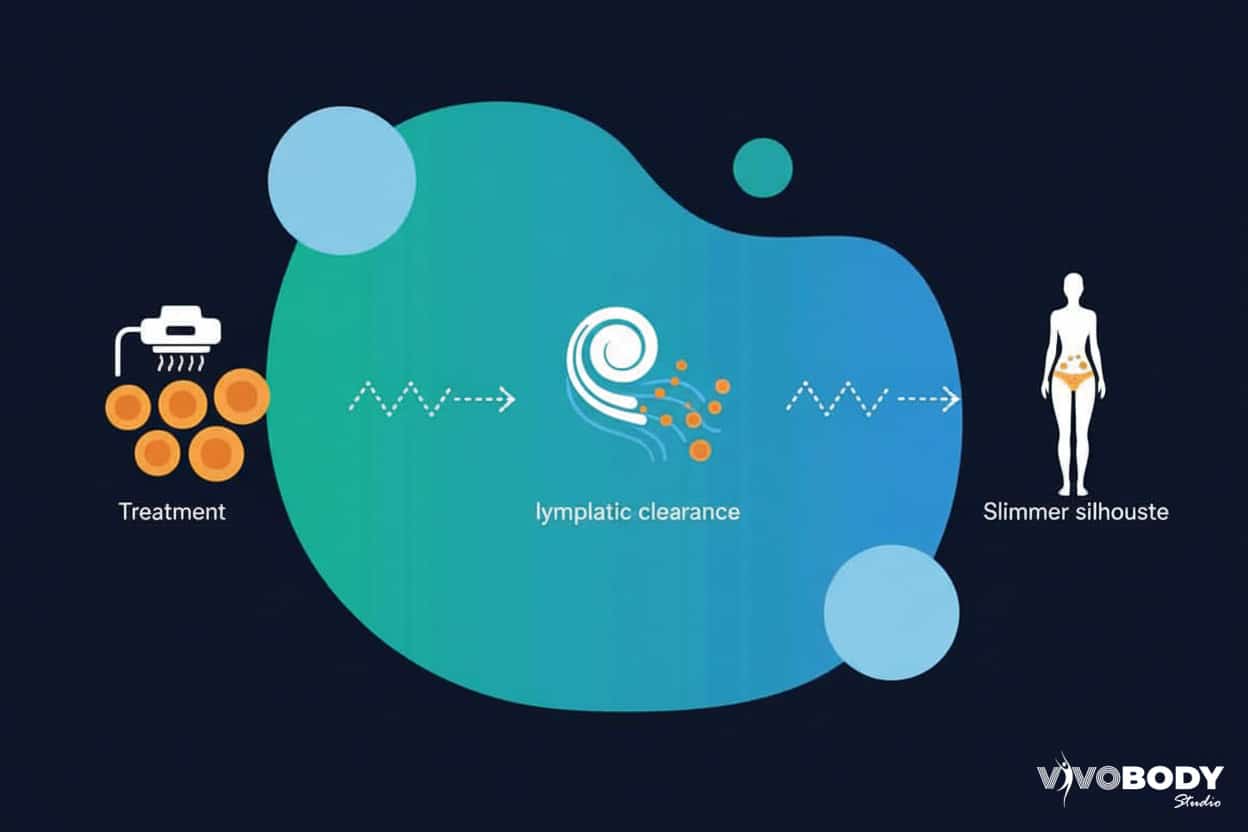
Fat freezing, widely known as CoolSculpting, employs a controlled cooling process called cryolipolysis to selectively destroy fat cells. Using applicators placed on specific regions such as the abdomen, thighs, or flanks, fat cells are chilled to the point of apoptosis, while the skin and muscle remain unharmed. Over the following weeks, the body naturally metabolises and removes these dead cells via the lymphatic system. Notably, this process reduces fat in the treated area by 20-25%. The results are permanent for the destroyed cells, provided a stable weight is maintained, and is best suited for refining body contours rather than overall weight loss. [source]
How Mounjaro Works (Tirzepatide Injection)
Mounjaro belongs to a new generation of injectable medications designed primarily for type 2 diabetes but increasingly prescribed off-label for weight management. The key is its dual action on the body’s GLP-1 and GIP receptors, hormones that regulate appetite and energy use. By mimicking these gut hormones, Mounjaro suppresses hunger, prolongs satiety, and increases metabolism, supporting broad weight reduction of up to 22.5% in clinical studies over 18 months. Unlike fat freezing, this effect is systemic and can mean loss of both fat and some muscle, alongside metabolic improvements such as better blood sugar and insulin levels. [clinical data]
Where Does Wegovy Fit In?
Wegovy is another injectable (semaglutide) used for weight loss, acting solely on GLP-1. Its effects are robust but, according to trials, typically less pronounced than those of Mounjaro, with average total weight loss around 14-17%. For many, it provides an alternative route if Mounjaro is unsuitable or unavailable. [NICE guidance]
Results, Costs and Who Should Consider Each Option?
Effectiveness and Results
- Fat freezing delivers localised, permanent fat reduction for areas often resistant to diet and exercise. Most clients see visible results in treated zones after 90 days, with no impact elsewhere on the body.
- Mounjaro offers transformative whole-body weight loss, supported by lifestyle changes and continued use. It also improves metabolic health markers, making it attractive to those whose goals are broader than sculpting alone.
Cost Considerations
- Fat freezing typically costs between £1,700–£3,400 per area in the UK. It is a one-off cost per area but may require multiple applicator placements for comprehensive results.
- Mounjaro costs £850–£1,100 per month privately, considerably higher than Wegovy, and requires long-term commitment for sustained benefit.
Who Should Consider Each?
- Fat freezing is recommended for those near their ideal weight who wish to target small fat deposits for aesthetic enhancement—think ‘love handles’ or ‘bra bulges’.
- Mounjaro (and peers like Wegovy) are best suited to individuals seeking significant and sustained weight loss, particularly where diet and exercise alone have not succeeded.
At VIVO Body Studio, we assess every client individually to identify which solution, or combination, will yield the safest and most fulfilling outcome.

Fat Freezing vs Mounjaro: Benefits & Considerations
Benefits
Suggest using bullets list
Considerations
- Fat freezing does not provide significant weight loss
- Mounjaro may cause systemic side effects (nausea, GI issues, muscle loss)
- Fat freezing is not suitable for obesity
- Mounjaro requires ongoing use to avoid weight regain
- High ongoing cost for Mounjaro
Side Effects, Safety and Misconceptions
Fat Freezing Safety Profile
Fat freezing is both FDA-cleared and widely regarded as safe, with over 6 million procedures performed globally. Typical side effects include short-term redness, mild bruising, tingling, or numbness. More rarely, a paradoxical increase in fat at the treatment site (paradoxical adipose hyperplasia) has been reported, but this is uncommon. The technique is not a treatment for obesity or generalised excess weight.
Mounjaro Risks and Realities
Mounjaro’s dual hormone mechanism can, for many, result in more potent appetite control than competitors. However, it is not without drawbacks. Commonly experienced are nausea, diarrhoea, or constipation, especially in early weeks. Muscle loss can also occur alongside fat, and cosmetic changes such as facial thinning (‘Ozempic face’) are possible. Crucially, if injections are stopped, research shows weight regain is likely unless diet and lifestyle compensate. It is important to note Mounjaro is currently only approved for diabetes in the UK and prescribed for weight loss off-label (NHS).
Clearing Common Myths
- Fat freezing is not a direct weight loss treatment. It can reduce visible fat by 1–2lbs per treated area at most—scales may not shift, but contours do.
- Mounjaro is not muscle-sparing. While it reduces fat systemically, lean mass can be lost without resistance training and proper nutrition.
- The two approaches are not interchangeable. Many clients pursue both: Mounjaro addresses overall weight, while fat freezing refines remaining problem areas for final sculpting.
Fat freezing and Mounjaro work best not in competition, but as complementary tools for achieving and maintaining your healthiest, most confident self.
Recent Developments and Combination Approaches
Latest research highlights Mounjaro’s remarkable performance for obesity patients, with 20–22.5% weight loss levels surpassing several established therapies. Microdosing is being explored for those prioritising aesthetics. Fat freezing, meanwhile, remains the gold standard in non-surgical contouring, with updated Elite technology delivering results faster and more comfortably than ever. Many clinicians now recommend a sequence: achieve substantial weight loss systemically (e.g., via Mounjaro or Wegovy), then fine-tune with targeted fat freezing for the ultimate silhouette. As always, professional assessment and ongoing healthy habits are key for lasting outcomes.
VIVO Body Studio has helped thousands across the UK navigate these choices, combining medical expertise, advanced technologies and supportive care for lasting results. To explore your options, our Weight Loss Programmes and Fat Freezing treatments are tailored by experienced professionals to fit your goals, health profile, and lifestyle.
Effective body transformation is never one-size-fits-all — the best outcomes come from tailored programmes and experienced guidance.
Frequently Asked Questions
Will fat freezing help me lose weight overall?
No, fat freezing such as CoolSculpting is designed to reduce visible fat bulges in treated areas, not produce significant loss on the weighing scale. Its purpose is aesthetic contouring rather than treating overweight or obesity conditions. For those goals, medications like Mounjaro or Wegovy, alongside lifestyle modification, are more appropriate. Learn more.
How long do results last with fat freezing and Mounjaro?
Fat freezing permanently eliminates treated fat cells provided you maintain a stable weight, but untreated areas can still gain fat if you gain weight overall.
Mounjaro’s effects are only maintained with ongoing injections; stopping treatment will usually result in partial or total weight regain, unless you transition to a healthy diet and exercise regime. Source.
Which is safer: fat freezing or Mounjaro?
Both are safe when administered in the right clinical settings, but risks differ. Fat freezing is non-invasive with temporary localised side effects for most clients. Mounjaro can cause systemic side effects (e.g. gastrointestinal upset) and poses a risk of muscle loss. Always consult a qualified provider and disclose your health history.
Can Mounjaro or Wegovy be combined with fat freezing?
Yes, many clients use medical weight loss medications first for overall reduction, then refine resistent areas with fat freezing for optimal shaping. Your provider can recommend a staged approach based on your body goals and progress.
Is Mounjaro or Wegovy available on the NHS for weight loss?
As of 2025, Wegovy is approved for obesity by NICE and, subject to eligibility, may be prescribed within NHS services. Mounjaro is only licensed for diabetes, though it is sometimes used off-label for weight loss by private clinics. Always discuss options and suitability with your GP or a weight loss specialist. NICE guidance.
How much do these treatments cost?
Fat freezing sessions usually cost £1,700–£3,400 per treatment area, with results lasting long-term. Mounjaro costs £850–£1,100 per month privately, and requires ongoing use. Insurance typically does not cover aesthetic procedures; medical weight loss may be covered for diabetes management only. Always consult for an accurate quote.