When healthy habits are not enough
If you have been eating well, exercising consistently and still cannot shift fat from your lower tummy, hips, thighs or upper arms, you are far from alone. Many women between their late twenties and mid-fifties notice that certain areas seem to hold on, even when the rest of their body responds to a healthy lifestyle. That can feel discouraging, especially when you are doing all the “right” things.
The first thing to know is this: stubborn fat is not a sign that you are lazy, lacking discipline or doing fitness “wrong”. In many cases, it comes down to biology. Hormones, age, genetics, fat-cell behaviour and where your body prefers to store energy all play a part. Reputable sources including Harvard Health and the NHS explain that body fat distribution varies from person to person, and some fat stores are more resistant than others.
In this article, we will look at why stubborn fat happens, the difference between subcutaneous and visceral fat, why genetics matter, and what treatment options exist if diet and exercise have taken you as far as they can. We will also explain where non-surgical body contouring, including cryolipolysis, can fit in realistically.
What is stubborn fat, exactly?
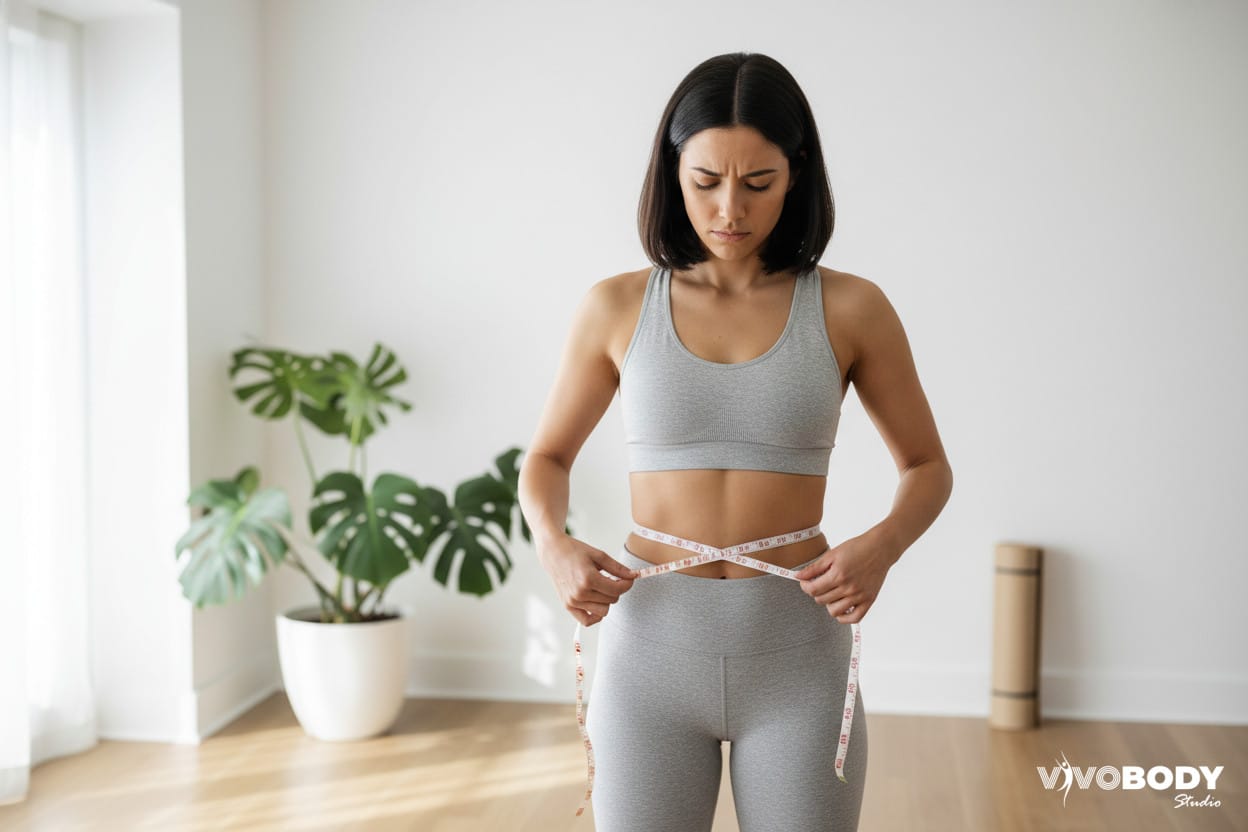
Stubborn fat usually means localised pockets of fat that remain despite a calorie deficit, regular movement and a generally healthy routine. Common areas include:
- Lower abdomen
- Flanks or “love handles”
- Outer thighs and inner thighs
- Hips
- Upper arms
- Under the chin
These areas can be disproportionately difficult to change because the body does not burn fat evenly. Fat loss tends to happen systemically rather than exactly where you want it. That is why you might lose weight from your face or bust first while the area bothering you barely changes.
Subcutaneous fat vs visceral fat
It is also important to understand that not all fat is the same.
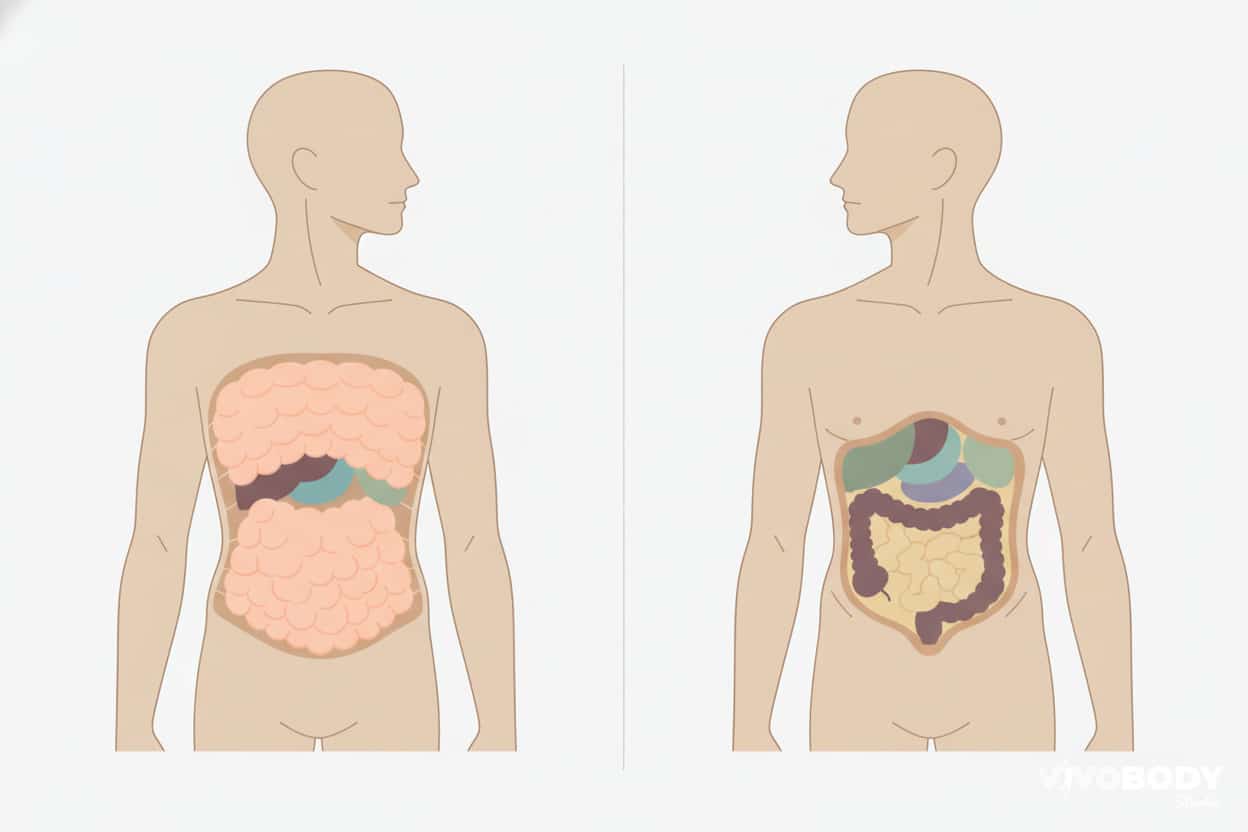
- Subcutaneous fat sits just under the skin. This is the softer, pinchable fat found around the tummy, thighs, hips and arms. It is usually the fat people mean when they talk about stubborn fat and body contouring.
- Visceral fat is stored deeper inside the abdomen around the organs. According to the NHS, excess fat around the middle can increase the risk of conditions such as heart disease and type 2 diabetes.
Subcutaneous fat is often the main cosmetic concern, while visceral fat is more closely linked to metabolic health. You can be bothered by one, the other, or both. That distinction matters because non-surgical body contouring treatments are generally designed to address localised subcutaneous fat, not visceral fat.
Research published on PubMed and guidance from major health organisations consistently show that abdominal fat distribution is influenced by age, hormones and genetics as well as lifestyle. So while good habits matter enormously, they do not always override your body’s natural storage pattern.
Why some areas are so resistant to fat loss
There is a biological reason your body may cling to fat in certain places. Fat cells contain receptors that influence whether stored fat is more likely to be released and used for energy.
Alpha-2 vs beta-2 adrenergic receptors
Areas that are more resistant to fat loss tend to have a higher concentration of alpha-2 adrenergic receptors relative to beta-2 adrenergic receptors. In simple terms:
- Beta-2 receptors encourage fat breakdown.
- Alpha-2 receptors inhibit fat breakdown.
When a body area has more alpha-2 receptor activity, it can be slower to release stored fat, even during exercise or a calorie deficit. This is one reason lower abdominal fat, hips and thighs can be especially stubborn in women. It is not a myth, and it is not just about willpower. This receptor pattern has been discussed in obesity and fat metabolism research, including work indexed on PubMed.
Genetics and female fat distribution
Genetics strongly influence where you store fat. The NHS notes that body shape and where fat accumulates differ between individuals, and women often store proportionally more fat around the hips, thighs and buttocks. Hormones, especially oestrogen shifts over time, also affect how and where fat is laid down. This helps explain why a woman can be at a stable, healthy weight and still have one area that never seems to respond.
Ageing can add another layer. As muscle mass gradually declines and hormones change, fat distribution often shifts towards the midsection. Sleep, stress and cortisol may also play a role in appetite, recovery and abdominal weight gain, though they are rarely the whole story on their own.
Why spot reduction does not really work
One of the most frustrating realities is that doing extra exercises for a specific area does not usually remove fat from that exact spot. Hundreds of crunches may strengthen your abdominal muscles, but they will not selectively burn belly fat. Evidence has repeatedly shown that so-called spot reduction is unreliable as a fat-loss strategy. Exercise remains essential for health, fitness and body composition, but it cannot dictate exactly where fat leaves first.
This is often the point where women start exploring body contouring: not as a replacement for healthy habits, but as a way to address the last stubborn pockets that lifestyle changes do not fully resolve.
When non-surgical fat reduction may help
If your weight is fairly stable and your concern is a specific pinchable area of fat rather than overall obesity, non-surgical treatment may be worth considering. One of the best-known options is cryolipolysis, often referred to as fat freezing.
Cryolipolysis uses controlled cooling to target fat cells beneath the skin. The principle is that fat cells are more vulnerable to cold than the surrounding tissue. Over time, the treated fat cells are processed and naturally cleared by the body. Studies have reported measurable reductions in local fat thickness after treatment, with results typically developing over the following weeks and months. You can review clinical data via PubMed.
Importantly, this is not a weight-loss treatment. It is a body contouring treatment for localised subcutaneous fat. In practical terms, many people notice that clothing fits better, the treated area looks smoother, or one bulge appears less prominent. Results are usually subtle to moderate rather than dramatic, and more than one session may be recommended depending on the area and goal.
At VIVO Body Studio, fat freezing is one of the non-invasive treatments offered for clients who are close to their goal weight but feel held back by a specific area. VIVO Body Studio clinics across the UK including Birmingham, London, Manchester, Leeds, and Glasgow support clients through a body assessment process to help decide whether treatment is appropriate.
Non-surgical fat reduction vs surgery
Benefits
Suggest using bullets list
Considerations
- Results are typically more modest than liposuction and may require multiple sessions.
- These treatments do not address visceral fat or replace weight management.
- Not everyone is a suitable candidate, particularly if there is significant skin laxity or larger fat volumes.
- Visible changes can take several weeks or months, so patience is needed.
- Surgical options may be more appropriate for those seeking larger-volume fat removal or combined skin tightening.

Stubborn fat is often a biology problem, not a discipline problem.
Other treatments that may be discussed
Cryolipolysis is not the only approach used for localised fat reduction. Depending on the clinic, treatment area and your goals, you may also hear about:
- Radiofrequency or laser-based fat reduction
- Ultrasound technologies
- Muscle-stimulating technologies combined with fat reduction
- Injectable fat-dissolving treatments for very specific small areas such as under the chin
- Surgical options such as liposuction or tummy tuck procedures
Each has different benefits, risks, expected downtime and ideal use cases. Surgery can offer more dramatic and immediate change, but it comes with recovery time, higher cost and the usual risks associated with invasive procedures. By contrast, non-invasive treatments tend to appeal to women who want a gentler route with minimal disruption, provided they are happy with a more measured improvement.
Who tends to be a good candidate?
You may be a suitable candidate for non-surgical fat reduction if:
- Your weight is relatively stable
- You already exercise and eat well
- Your concern is a specific localised area
- The fat is subcutaneous and pinchable
- You have realistic expectations
You may need a different approach if the main issue is loose skin, muscle separation after pregnancy, significant visceral fat, or a larger amount of fat across several areas. This is why a proper consultation matters.
What results should you realistically expect?
The research foundation for cryolipolysis suggests that one treatment can reduce fat thickness in a treated area by around 20% in some cases, although individual response varies. Results generally appear gradually over approximately 8 to 16 weeks. Maintaining your current healthy habits is important because while treated fat cells may be reduced, remaining fat cells can still enlarge with future weight gain.
That is why ethical clinics should avoid promising perfection. Body contouring works best as a finishing touch for the right person, not as a quick fix.
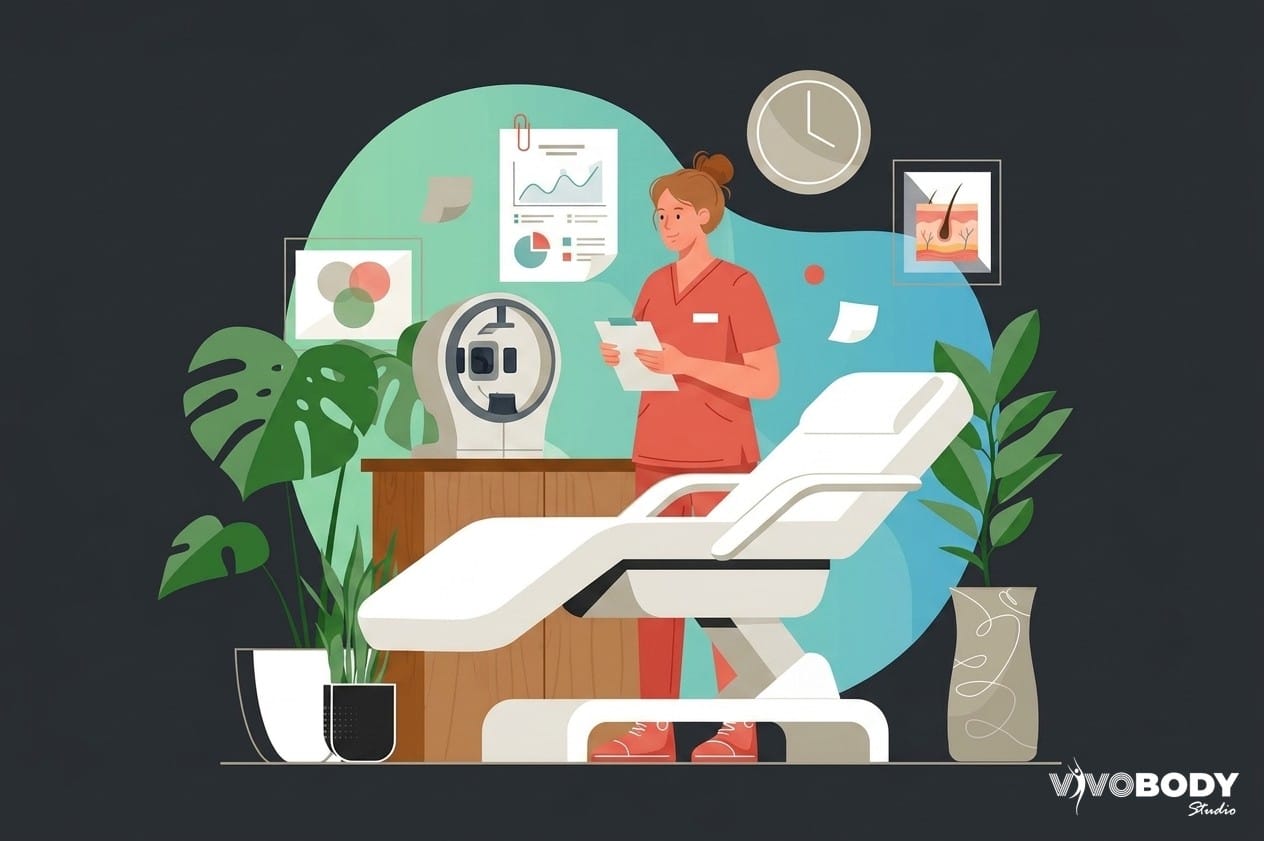
Why professional assessment matters
A trustworthy clinic should assess your goals, medical history, body composition and whether the issue is more likely subcutaneous fat, visceral fat, loose skin or bloating. This is especially important if your shape has changed suddenly, you have concerns about hormonal imbalance, or you are experiencing symptoms such as pain, digestive issues or unexplained weight fluctuation. In those cases, medical assessment comes first.
VIVO Body Studio is the UK’s leading group of non-invasive aesthetic clinics, with over 1500+ 5-star reviews. For women who feel frustrated by one resistant area despite a consistent healthy lifestyle, a professional consultation can help clarify whether fat freezing is likely to help and what outcome is realistic.
How to choose a clinic safely
If you are exploring any aesthetic treatment, look for the following:
- Clear explanation of what the treatment can and cannot do
- No unrealistic promises about rapid or extreme fat loss
- Qualified, experienced practitioners
- Transparent aftercare and possible side effects
- A proper consultation before treatment
- Evidence-informed advice rather than pressure selling
It is also sensible to ask how many sessions are likely, what kind of response is typical for your body area, and whether photographs are available to show realistic outcomes.
If you would like tailored guidance, you can book a free body assessment consultation with VIVO Body Studio to discuss your concerns and suitability in a supportive, non-judgemental setting.
The best body contouring results happen when treatment supports healthy habits rather than trying to replace them.
Final thoughts
If stubborn fat will not shift with diet and exercise, that does not mean you have failed. It often means your body is behaving exactly as biology, genetics and hormone patterns would predict. Understanding the difference between subcutaneous and visceral fat, and knowing that some regions are more receptor-resistant than others, can make the whole experience feel less personal and more manageable.
For many women, the solution is not doing more punishment workouts or eating even less. It is taking a more informed, realistic approach. That may mean staying the course with lifestyle habits, seeking medical advice if something feels off, or considering non-surgical body contouring such as cryolipolysis for a localised area that simply is not responding.
If you are ready to explore your options, book body assessment consultation with VIVO Body Studio. With clinics across the UK including Birmingham, London, Manchester, Leeds, and Glasgow, the team can help you understand what is possible, what is not, and what approach best suits your body and goals.
Frequently Asked Questions
Why won't my belly fat go away?
Belly fat can be particularly persistent because abdominal fat storage is influenced by genetics, age, hormones, stress, sleep and overall fat distribution patterns. Some belly fat is subcutaneous, which is the pinchable layer under the skin, while some is visceral, which sits deeper around the organs. Lifestyle changes remain the foundation, but if your concern is a small, localised pocket of subcutaneous fat, it may be slower to respond than other areas. The Harvard Health and NHS both explain that fat carried around the middle can be especially important from a health perspective, so if your waist is increasing significantly, it is worth discussing with your GP as well as considering aesthetic goals.
Can you spot reduce fat?
Not reliably through exercise alone. You can strengthen and tone a specific area, but you cannot force your body to burn fat from that exact spot just by training it harder. Fat loss tends to happen across the body according to your own biology. That is why someone may lose weight from the face or chest before seeing much change in the stomach or thighs. Targeted body contouring treatments are different because they are designed to treat a specific localised area of subcutaneous fat.
What treatments remove stubborn fat?
Treatments for stubborn fat include non-surgical options such as cryolipolysis (fat freezing), radiofrequency or laser-based fat reduction, ultrasound-based technologies and some muscle-stimulating devices that also affect fat. For very small areas such as under the chin, some clinics may discuss injectable treatments. Surgical options include liposuction and, where appropriate, abdominoplasty. The right choice depends on the amount of fat, whether skin laxity is present, your tolerance for downtime, and how dramatic a result you want.
How much stubborn fat can be removed without surgery?
Non-surgical treatments are best for modest reductions in localised fat rather than large-volume removal. For example, cryolipolysis studies often report a reduction in fat thickness of around 20% in a treated area, although results vary from person to person and multiple sessions may be needed. If you want a more dramatic change, surgery may be the more suitable option. A proper consultation should always set realistic expectations based on the area being treated.
Is stubborn fat genetic?
Yes, to a significant degree. Genetics influence where your body prefers to store fat, how easily it gives it up, and even receptor activity within fat cells. Women commonly find that the lower abdomen, hips and thighs are genetically more resistant. Hormones and age can reinforce those patterns over time. That is why two people following similar routines can have very different body shapes and different “problem areas”. Genetics are not the whole story, but they are a major part of it.