Cooling vs heating: two routes to the same destination
If you have stubborn pockets of fat that refuse to budge despite a sensible diet and regular exercise, you have probably come across two of the most popular non-invasive body contouring options on the market: fat freezing (cryolipolysis) and SculpSure laser lipolysis. Both are FDA-cleared, both destroy fat cells permanently, and both deliver comparable reductions of roughly 20-25% in the treated area. The fundamental difference is the energy they use to do it.
Cryolipolysis chills fat cells to temperatures between roughly −11°C and +5°C, triggering a process called apoptosis (controlled cell death). SculpSure does almost the opposite, using a 1060 nm diode laser to heat subcutaneous fat to between 42°C and 47°C, damaging the cells so the body clears them naturally over the following weeks. The science is elegant either way: fat cells are more vulnerable than skin to extreme temperatures, so the surrounding tissue is left intact while the targeted cells are eliminated for good.
This guide compares the two technologies across mechanism, results timelines, session length, downtime, cost and ideal candidates, so you can decide which approach (if either) suits your goals. For a deeper look at our flagship cryolipolysis service, visit our main fat freezing treatment page.


How cryolipolysis works
Cryolipolysis was developed at Harvard after researchers noticed that children who ate a lot of ice lollies sometimes developed dimples in their cheeks — a phenomenon known as popsicle panniculitis. The science behind it was published in Lasers in Surgery and Medicine, demonstrating that subcutaneous fat is more cold-sensitive than skin. Today’s devices use vacuum applicators to draw fat into a cup and apply controlled cooling for around 35–60 minutes per area.
Once chilled, fat cells crystallise and undergo apoptosis. Over the next 6–12 weeks, the lymphatic system gradually clears the damaged cells, producing a visibly slimmer contour. If you are new to the technology, our explainer on what fat freezing is and how cryolipolysis works walks through it step by step.
How SculpSure laser lipolysis works
SculpSure uses a 1060 nm diode laser delivered through flat, hands-free applicators that sit against the skin. The wavelength is selectively absorbed by adipose tissue, raising the temperature of fat cells to a damaging 42–47°C while a contact-cooling plate keeps the skin comfortable. A single session lasts approximately 25 minutes and can treat up to four areas simultaneously.
As with cryolipolysis, the damaged fat cells are not removed during the appointment itself. They are processed and excreted by the body over the following 6–12 weeks. A useful side effect of the heat is mild collagen stimulation, which can produce a subtle skin-tightening benefit on top of the fat reduction.
Fat cells are more vulnerable than skin to temperature extremes — that single biological quirk is what makes both cooling and heating viable, non-surgical routes to a slimmer silhouette.
Side-by-side comparison
The table below summarises the key practical differences between the two technologies.
| Factor | Fat Freezing (Cryolipolysis) | SculpSure (Laser Lipolysis) |
|---|---|---|
| Mechanism | Controlled cooling (−11°C to +5°C) | 1060 nm diode laser heating (42–47°C) |
| Session length | 35–60 minutes per area | ~25 minutes (up to 4 areas at once) |
| Fat reduction per session | 20–25% | Up to 24% |
| Sessions typically needed | 1–3 per area | 1–3 per area |
| Time to optimal results | 8–12 weeks | 6–12 weeks |
| Downtime | None (some numbness, redness, bruising) | None |
| Skin tightening benefit | Minimal | Mild collagen stimulation |
| Best for | Larger, pinchable fat pockets | Smaller areas, multiple zones, firmer skin tone |
| Typical UK cost per area | £150–£400 per session | £250–£500 per session |
For a granular breakdown of UK pricing, including package deals and what influences cost, see our fat freezing cost guide.
Cooling vs heating: which has the edge?
Where fat freezing wins
- More effective on larger, pinchable fat deposits because the vacuum applicator pulls a substantial volume of tissue into the treatment cup
- Longer clinical track record with extensive peer-reviewed safety data
- Often lower cost per area in the UK market
- Particularly well suited to abdomen, flanks and inner thighs where there is sufficient tissue to draw into the applicator
- Comfortable once the initial cold sensation passes — many patients read or watch a film during treatment
Where SculpSure wins
- Significantly faster sessions (around 25 minutes versus up to an hour)
- Flat applicators can treat areas where vacuum cups would not fit, such as inner thighs or above the knee
- Up to four zones treated simultaneously, ideal for time-pressed patients
- Mild collagen remodelling produces a subtle firming effect alongside fat loss
- No vacuum suction, so no post-treatment bruising from the applicator
Results timelines: when will you actually see a difference?
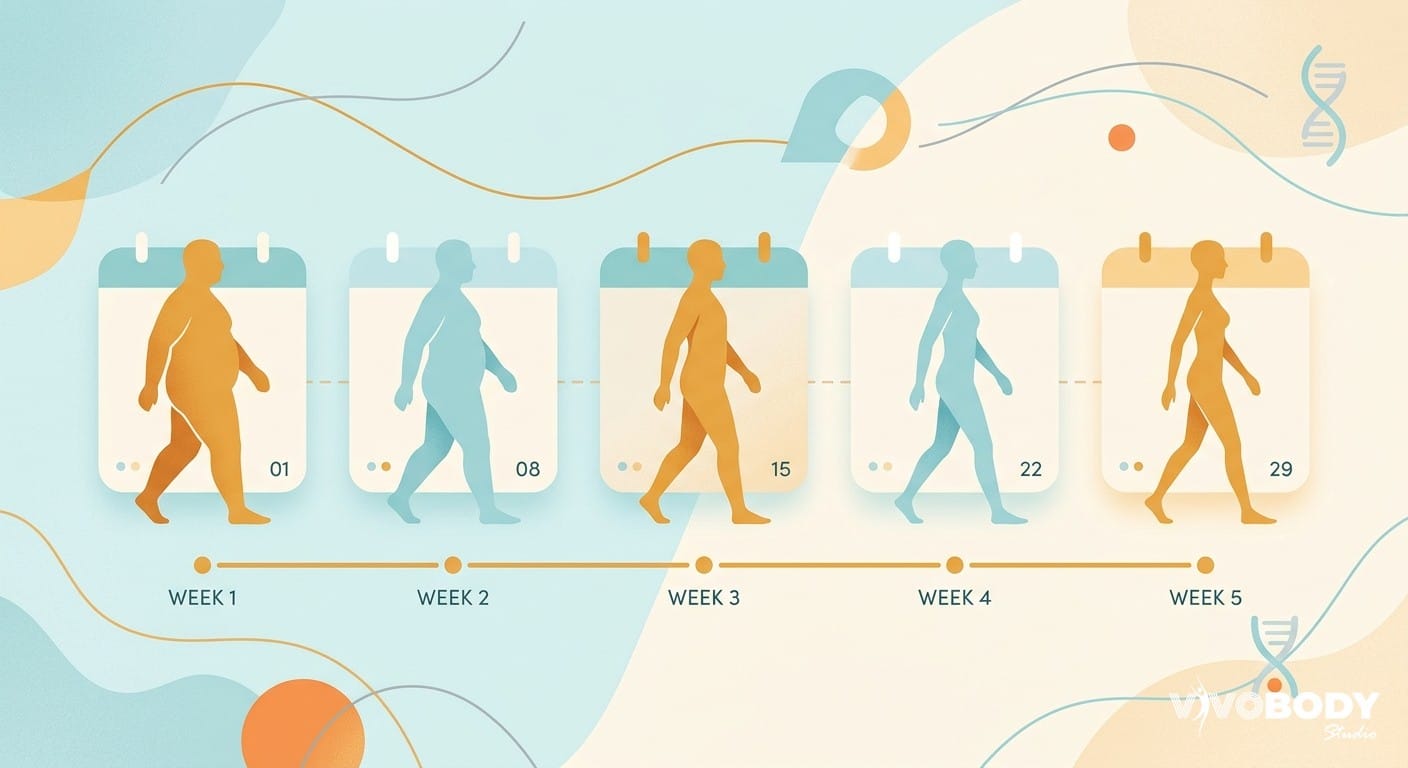
Patience is essential with both treatments. Because the body has to physically clear the destroyed fat cells, you will not walk out of the clinic looking different. A realistic timeline looks like this:
- Weeks 1–3: Mild swelling, occasional tenderness or numbness. No visible change yet.
- Weeks 4–6: Initial slimming usually becomes apparent. Clothes may fit slightly differently.
- Weeks 8–12: Optimal results visible. The treated area looks noticeably contoured.
- Beyond 12 weeks: Further refinement may continue for up to four months in some patients.
For a more detailed week-by-week guide, our article on fat freezing results timelines walks through what to expect at each stage. The same general pattern applies to SculpSure, although some patients report seeing changes slightly earlier because the heat-mediated apoptosis can begin clearing more quickly.
Downtime, comfort and side effects
Neither treatment requires recovery time. You can return to work, the gym and social plans the same day. The sensations during treatment differ, however.
During cryolipolysis, the first five minutes feel intensely cold and there is firm suction from the applicator. After that, the area numbs and most patients are comfortable. Common after-effects include temporary redness, swelling, bruising and numbness lasting a few days to a couple of weeks. Rare risks — including paradoxical adipose hyperplasia — are covered in our honest review of fat freezing risks and safety considerations.
SculpSure feels different: a cycling sensation of warmth and cooling as the laser pulses on and the contact plate compensates. Most patients describe it as warm but tolerable. Side effects are usually limited to mild tenderness or firm nodules under the skin that resolve over a few weeks.
Cost considerations in the UK
Pricing varies substantially by clinic, area treated and number of applicators used. As a rough guide, expect to pay £150–£400 per area for cryolipolysis and £250–£500 per area for SculpSure in the UK. Most reputable clinics offer multi-area or course discounts, and many patients budget for two sessions per zone to achieve their desired result.
It is worth comparing the per-session price against the likely number of sessions and the size of the area. A larger abdomen typically benefits more from cryolipolysis because the applicator can draw in a substantial volume of tissue, whereas flatter or harder-to-pinch zones often respond better to SculpSure’s flat applicators.
Who is the ideal candidate?
Neither treatment is a weight-loss solution. Both are designed for people who are already close to their target weight (typically within around 10–15 kg of a healthy BMI) and have specific, localised fat deposits that resist diet and exercise.
You are likely a good candidate for fat freezing if you have pinchable pockets of fat — think love handles, lower abdomen, bra fat or inner thighs — and prefer a treatment with the longest clinical history.
You may prefer SculpSure if your fat deposits are smaller or flatter, you want to address several areas in one short appointment, or you are interested in the modest skin-firming benefit that comes with controlled heating.
If you are unsure whether either is right for you, our guide on how to get rid of stubborn fat explores all the available options, and our piece comparing fat freezing vs liposuction is useful if you have ever wondered whether to go surgical instead.
Other alternatives worth considering
Cryolipolysis and SculpSure are not the only games in town. Injectable options such as Aqualyx fat dissolving injections chemically rupture fat cells and suit very small, defined pockets. Muscle-stimulating technologies like EMSCULPT build muscle while reducing fat, which is helpful if your goal is more about tone than volume. And ultrasound cavitation uses sound waves rather than temperature to disrupt fat cells — a gentler alternative for the cold- and heat-averse.
Choose your technology to fit your anatomy: pinchable fat tends to favour cooling, while flatter or smaller zones often respond better to heat.
The bottom line
Cooling and heating are simply two different doors into the same room. Cryolipolysis crystallises fat cells; SculpSure cooks them. Both rely on the body to gradually clear the damaged cells, both deliver permanent reductions of around a quarter of the fat in the treated zone, and both are walk-in walk-out procedures with no meaningful downtime.
The right choice comes down to anatomy, budget and personal preference. If you have pinchable fat and want a well-established treatment with a long clinical track record, fat freezing is hard to beat. If you have multiple smaller areas, want speed, or fancy a hint of skin firming alongside fat loss, SculpSure has clear appeal. The most reliable way to decide is a face-to-face consultation with a qualified practitioner who can assess your tissue and set realistic expectations.
To explore our most popular non-invasive fat reduction option in more depth — including pricing, what to expect on the day and our clinic locations — visit our fat freezing treatment page.
Frequently Asked Questions
Is fat freezing or SculpSure more effective?
Clinical evidence shows broadly comparable results, with both treatments delivering around 20–25% fat reduction per session in the treated area. The better choice depends on your anatomy and goals: cryolipolysis tends to outperform on larger, pinchable fat deposits, while SculpSure is often preferred for smaller or flatter areas and for patients who want to treat multiple zones quickly.
Are the results from cooling and heating both permanent?
Yes. Both treatments destroy fat cells, and adult fat cells do not regenerate. The results are therefore permanent provided you maintain a stable weight. Significant weight gain afterwards can cause the remaining fat cells in the area — and elsewhere — to expand, which can blunt the visible benefit.
How many sessions will I need?
Most patients achieve their desired result with one to three sessions per area, spaced 8–12 weeks apart so the body has time to clear the treated cells before the next round. Your practitioner will recommend a tailored plan after assessing the thickness of fat and your goals.
Does either treatment hurt?
Both are generally well tolerated. Cryolipolysis feels intensely cold for the first few minutes along with firm suction from the applicator, after which the area numbs. SculpSure produces a cycling warm-then-cool sensation that most patients describe as comfortable. Neither requires anaesthetic, and you can drive yourself home afterwards.
Can I combine fat freezing or SculpSure with other treatments?
Yes — many patients combine fat reduction with skin tightening (such as radio frequency body tightening or HIFU body tightening) or muscle-toning treatments like EMSCULPT for a more comprehensive contouring result. Your practitioner can sequence treatments appropriately during a consultation.
Are these treatments a substitute for weight loss?
No. Both are body contouring treatments, not weight-loss solutions. They are designed for people already at or near their target weight who have specific stubborn pockets of fat. If significant weight loss is your goal, dedicated weight loss programmes or medical options such as Wegovy may be more appropriate first steps.