 close
close




What Skin Type Am I?
December 2018 | Reading time: 4 minutes
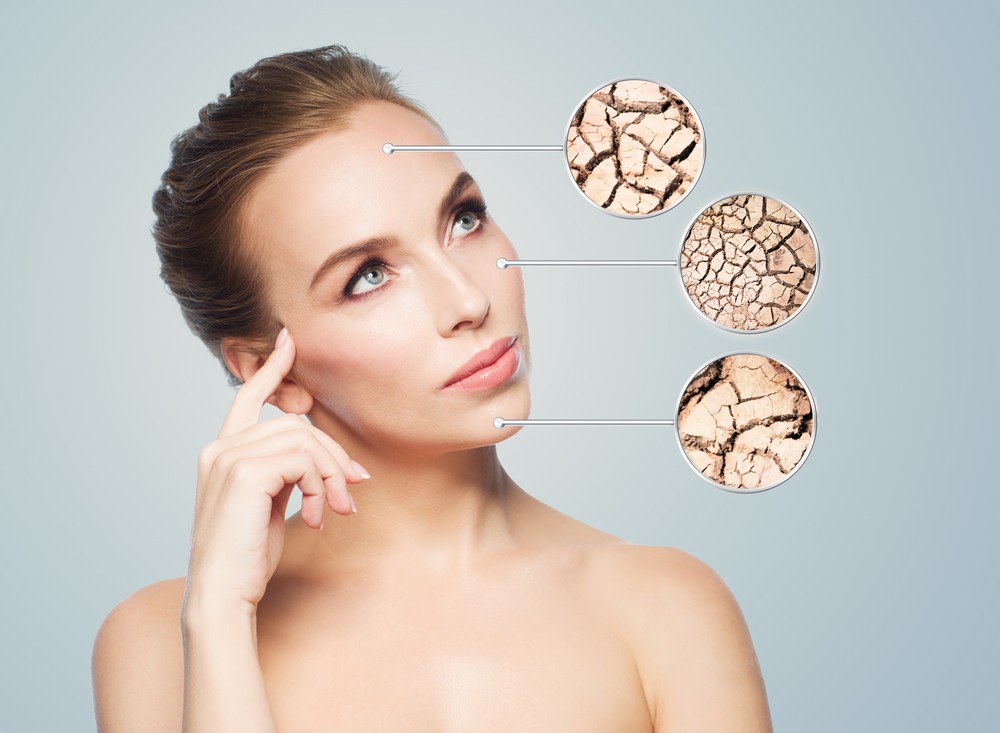
Table of Contents
Everyone is different, and our skin is no exception to this rule. Furthermore, our skin goes through various changes throughout our lives. For example, it becomes oily during puberty, and becomes looser with age. As a result of this, it is important that we look after our skin so that it stays healthy.
The first step to doing so is learning what skin type you have. It is generally agreed that there are four or five skin types, which are explored below.
Normal
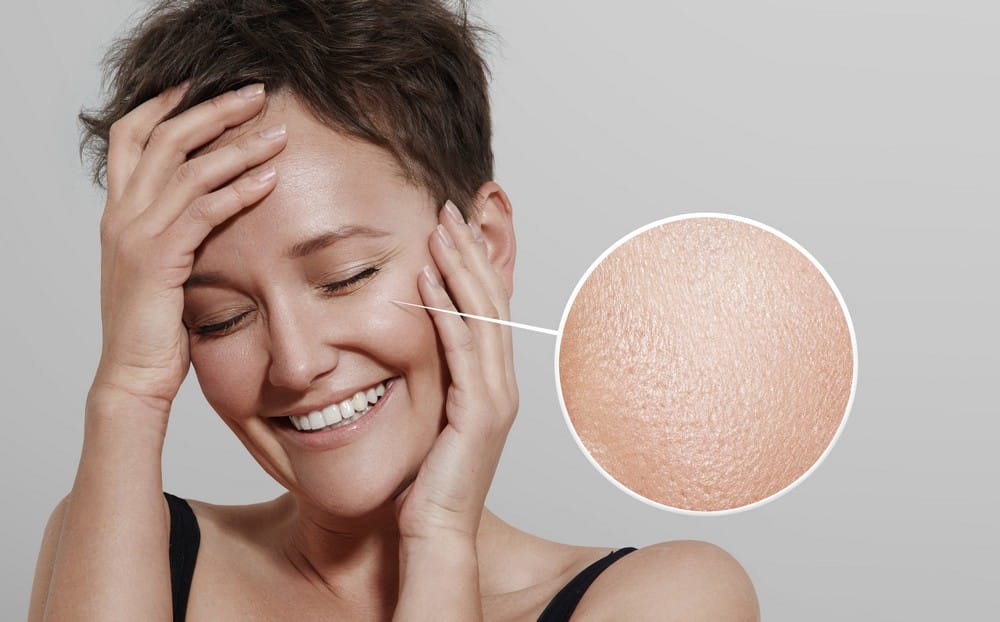
Normal skin maintains the ideal balance between the production of sebum oil and dryness, resulting in skin that is hydrated. If you have normal skin, you will not get as many spots or skin blemishes in comparison to other skin types. Furthermore, your pores will be very small, and your skin is likely to have a vibrant and rosy appearance due to good blood circulation. This skin type is typically soft and feels very healthy.
Even if you are in this category, it is still beneficial to moisturise and look after your skin. This ensures that excess dirt is removed from your face, and ensures that you retain the softness of your skin. Although you may have normal skin now, this does not mean it cannot change if you don’t look after it properly!
Dry
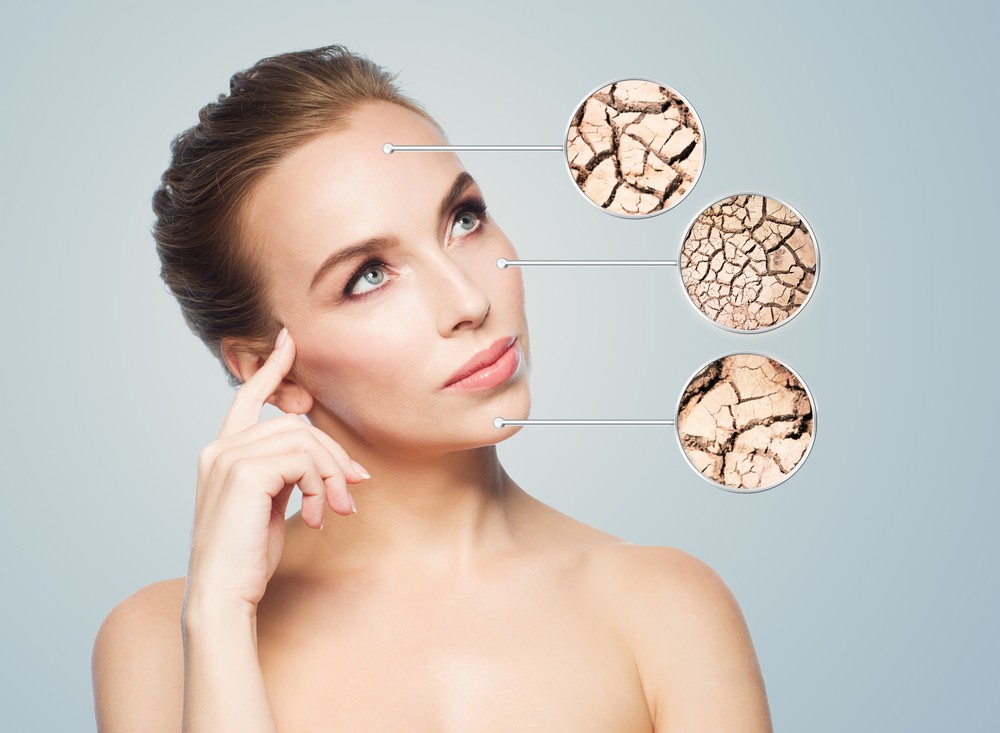
Dry skin is deficient in sebum oil. This is produced by the sebaceous glands to help keep the skin and hair hydrated. As a result of this, the skin is not adequately refreshed or protected. People may experience varying levels of dryness. In extreme cases, skin flakes off and feels tight, and it is not unusual to develop calluses. It may also be sore, and vulnerable to different weathers, especially the sun and wind. Skin tends to become dryer with age, and is particularly prominent in women rather than men. In addition to this, dry skin may age quicker than other types of skin.
Due to the sensitivity of dry skin, it is crucial that you take precautions to avoid it from getting worse! Make moisturising a part of your daily routine, and watch what products you use, as they may irritate your skin. In addition to this, habits such as smoking have been shown to increase the chances of dry skin, as the chemicals reduce blood flow to the skin.
Oily
Oily skin is a common occurrence during puberty. In this case, the pores are bigger and often clogged with excess sebum oil. This blockage results in the development of skin blemishes such as acne or spots. Hormones play a significant role in the excess production of sebum, but this can also be influenced by genes. Furthermore, if you do not remove your make-up properly, then this increases the clogging of the pores.
Fortunately, you can buy ‘noncomedogenic’ make-up which does not affect the pores and is ideal for this skin type. However, you should still try and remove any cosmetics from you face before you go to bed. If you get sweaty, wash your face to avoid your skin from getting too greasy.
Combination
Some people have skin that is described as combination skin. As the name implies, this combines different types of skin; normal, dry and oily. Specific areas may be oily, such as the T-zone that covers the forehead and nose, whilst your cheeks will be normal or dry.
Your skincare routine may vary so that you can treat the different skin types. Make sure that your T-zone does not get too oily, but equally do not neglect other parts of the face so the skin does not dry out.
Sensitive
This skin type is not so different from dry skin. Sensitive skin reacts to a variety of circumstances, such as the weather or cosmetic products. When a reaction occurs, your skin may appear red and feel itchy. Following this, spots may develop and your skin may become sore.
If you have sensitive skin, you must be careful regarding what cosmetic products you use. It is advisable to apply sun cream when you go outside if your skin is vulnerable in sunlight. The key with sensitive skin is to build up resistance that your skin cannot naturally provide, and make sure you treat it gently!
We hope this has helped you to get to know your skin a bit better, and given you ideas on how to look after it properly. Skin is our largest organ, and we must respect how it protects us by keeping it in the best condition.
If you want to give your skin a treat, try our LED Light Therapy treatment. This uses three types of LED light to improve the quality of the skin, reduce signs of ageing and combat acne.
Related Articles
Info: Plasma Eye Lift Liverpool
Our Plasma Eye Lift is now at VIVO Body Studio Liverpool! Also known as a non-surgical blepharoplasty, this treatment tightens...
Is Vaping Better Than Smoking?
Vaping has become a popular activity in recent years, replacing the use of cigarettes in many cases. Interestingly, the inhalation...
How to Stop the First Signs of Ageing Naturally
Ageing is a natural process that affects all beings. The first wrinkles and fine lines appear around the age of...
Mobile Treatment Service
Good news! We are pleased to announce the launch of our Mobile Fat Freezing Service! At VIVO Body Studio, we...
Top 10 Weird Facial Treatments
What lengths would you go to in an effort to get younger, healthier looking skin? These weird facial treatments from...
How to Keep on Top of Your Mental Health This Winter
The winter can be a dangerous time of year in regards to mental health. Lack of sunlight can lead to...
How To Build Muscle
Muscles are everywhere in the body. People tend to think of men and women at the gym with muscle in places...
Recognize the Difference: Spots or Acne?
Spots are a normal part of growing up and even affect some adults. The NHS estimates that 80% of people...
Dermal Filler Aftercare
This dermal filler aftercare advice is provided so that you know what to expect following your treatment at VIVO Body...
Being happy – How does it work?
Being happy is a difficult feat. Yet, often we find it is only the simplest thing that encourages a smile or...
How Lack of Sleep Affects Your Skin
Experts recommend that adults should have at least 7 to 8 hours sleep a night. Often this is not as...
Skin Tightening Glasgow – Combat Signs of Ageing
Our advanced Skin Tightening procedure is now available at VIVO Body Studio Glasgow! Keeping a more youthful appearance is essential...Fill out the form below or click here to arrange a callback at a specific time.
Quick Contact
"*" indicates required fields

Happy Customers
2,099 Reviews and Counting
Mobina carried out this treatment and she is v knowledgable, professional and attentive throughout. I’ve got my next appointment booked & can’t wait to see the results after that session.
I would highly recommend this treatment and Mobina.